

Nobody told you that your first paycheck could come from your bedroom — and that’s the part that makes all the difference.
Most teens sit through years of school learning things that won’t matter for decades, while the skills they already have — graphic design, video editing, social media instincts, writing — are things real businesses are paying for right now. You don’t need a car, a degree, or your parents’ permission to start making money. You need a plan and a starting point.
What Makes a Business “Teen-Friendly”?
Before jumping into the list, here’s what actually makes a business work when you’re under 18:
- Low or zero startup cost — no need to ask anyone for investment money
- Flexible hours — works around school, sports, and family obligations
- Runs from a phone or laptop — no office, no commute
- Pays through PayPal, Venmo, or direct transfer — easy to receive money without a business bank account
- Skills-based — built on things you already know or can learn in a weekend
Every business on this list checks those boxes.
1. Freelance Graphic Design

If you’ve ever spent hours tweaking a Canva template just because you had to get it right — that instinct is worth money.
Small businesses, local shops, coaches, and creators constantly need logos, social media graphics, flyers, and thumbnails. Most of them don’t want to learn design software. They want someone to just do it.
How to start:
- Build 5–8 sample pieces using Canva or Adobe Express (free tiers work fine)
- Create a profile on Fiverr or Contra
- Offer logo packs, Instagram post bundles, or Pinterest templates
Realistic earnings: $15–$75 per project to start. Raise rates as you get reviews.
Best for: Teens who are naturally visual and detail-oriented.
2. Social Media Management

You already know how Instagram, TikTok, and Pinterest work better than most adults trying to market their business on them.
Local businesses — salons, restaurants, boutiques, tutors — need someone to post consistently, respond to comments, and make their feed look cohesive. They don’t need a marketing agency. They need a reliable teen with a good eye.
How to start:
- Pick one platform you know well
- Create a simple one-page “offer sheet” — what you’ll post, how often, and what it costs
- Pitch 3–5 local businesses in person or via email
Realistic earnings: $100–$300/month per client. Two clients and you have a steady side income.
Best for: Teens who live on social media and understand what actually gets engagement.
3. Tutoring
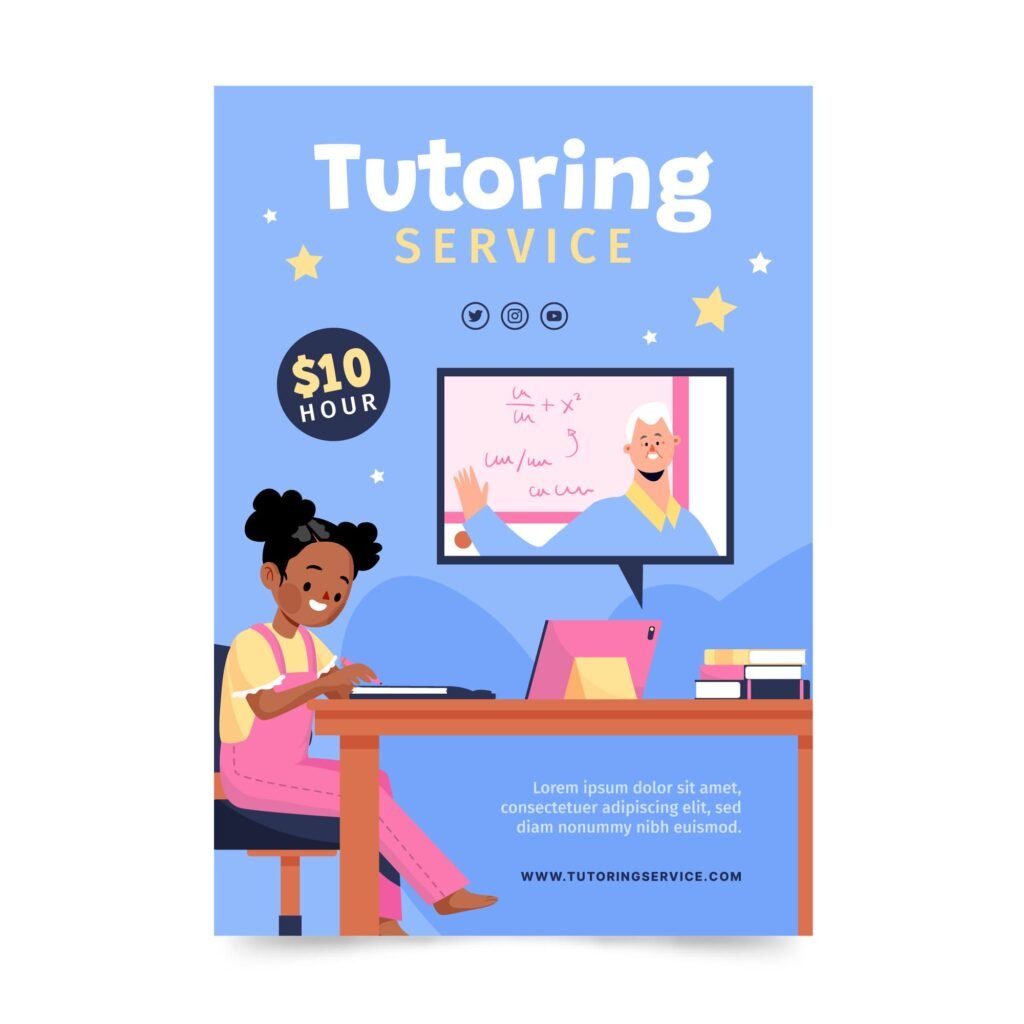
The year you aced AP Chemistry or scored 1450 on the SAT is already someone else’s goal — and their parents will pay for the shortcut.
Online tutoring is one of the fastest businesses to launch because you don’t need a website or any tools. You need a Zoom link and a subject you’re genuinely good at.
How to start:
- List your subjects and grade levels
- Post on Nextdoor, school Facebook groups, or neighborhood apps
- Offer a free 30-minute trial session to build trust
Realistic earnings: $15–$40/hour depending on subject and location.
Best for: Teens with strong grades in specific subjects — math, science, writing, and test prep are in highest demand.
4. Print-on-Demand Store

You design it once. Someone orders it. A third-party company prints and ships it. You collect the profit.
That’s the entire model. No inventory, no upfront cost, no shipping boxes in your room.
How to start:
- Open a free Printify or Printful account
- Connect it to a free Etsy or Shopify store
- Design 10–15 products (T-shirts, mugs, tote bags, stickers) around a specific niche — dog lovers, a specific sport, a hobby community
Realistic earnings: $3–$12 profit per sale. Scales as you grow your niche audience.
Best for: Teens who like design and want passive income without handling orders.
5. Content Writing & Copywriting

If writing comes naturally — if you draft a caption in your head before you even post — there’s a real market for that.
Blog posts, product descriptions, email newsletters, website copy — businesses need words constantly, and most of them aren’t good at writing their own.
How to start:
- Write 3 sample pieces on topics you know well (even if unpaid at first)
- Create a profile on Contra, Upwork, or Fiverr
- Pitch small business owners or bloggers directly via Instagram DM or email
Realistic earnings: $0.05–$0.15 per word to start. A 1,000-word article = $50–$150.
Best for: Teens who genuinely enjoy writing and can hit a deadline.
6. Reselling (Thrift Flipping)
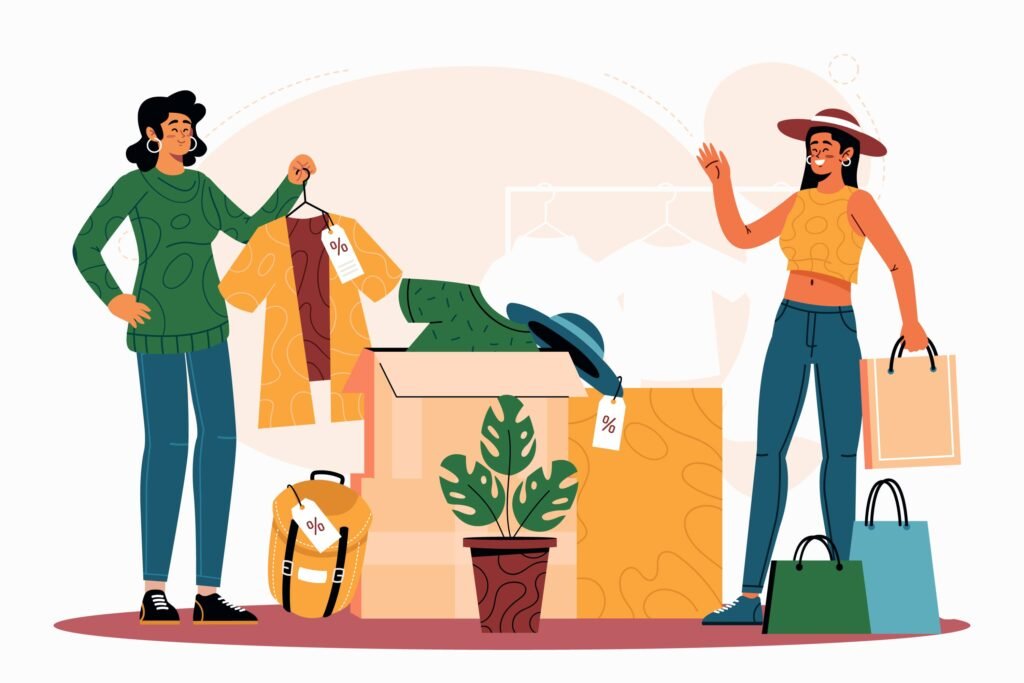
Buy low. Clean it up. Sell higher. It’s been working for decades and the online resale market is bigger than ever.
Clothes, vintage items, sneakers, electronics, books — people give away valuable things constantly at thrift stores and garage sales. Your job is to know what’s worth more online than it cost on the shelf.
How to start:
- Start with one category you know well (streetwear, vintage tees, retro electronics)
- Sell on Depop, Poshmark, or eBay
- Reinvest early profits into more inventory
Realistic earnings: $10–$100+ profit per item depending on category and research.
Best for: Teens who love thrifting, know trends, and don’t mind photographing and packaging items.
7. Video Editing

YouTube, TikTok, and Instagram Reels have created a world where every creator, coach, and small business needs edited video — but most of them hate doing it themselves.
You don’t need cinema-level skills. You need to be faster and better at it than the person trying to do it themselves at midnight.
How to start:
- Edit 2–3 sample videos (use YouTube clips with Creative Commons licenses or offer one free edit)
- Learn CapCut (free) or DaVinci Resolve (free professional-grade tool)
- Offer your services on Fiverr or reach out to YouTubers or TikTokers in your niche
Realistic earnings: $25–$150 per video depending on length and complexity.
Best for: Teens who already edit their own content and enjoy the process.
8. Handmade Products on Etsy

Jewelry, candles, resin art, crocheted items, custom bookmarks, clay earrings — if you already make things and people tell you “you should sell that,” believe them.
Etsy gives you a built-in audience of buyers looking specifically for handmade items. You’re not building traffic from scratch.
How to start:
- Make 10–15 pieces of one product (consistency matters more than variety early on)
- Photograph them with natural light against a clean background
- Write clear, keyword-rich titles and descriptions
Realistic earnings: Varies widely — $5 stickers to $80 custom pieces. Volume and niche matter.
Best for: Teens with a creative hobby they already enjoy and can scale.
9. Online Courses or Digital Products

If you know how to do something specific — edit Lightroom presets, write college essays, play guitar, organize a study schedule — you can package that knowledge and sell it.
A digital product sells infinitely without any extra work after creation. You make it once; it earns while you sleep.
How to start:
- Pick one specific skill with a clear outcome
- Create a simple PDF guide, template pack, or short video course
- Sell on Gumroad (free to start) or Etsy (digital downloads)
Realistic earnings: $7–$47 per sale with zero fulfillment cost.
Best for: Teens who are good at explaining things and want genuinely passive income.
10. Virtual Assistant (VA) Work

A virtual assistant handles tasks for busy business owners — scheduling, inbox management, research, data entry, customer replies, basic bookkeeping.
It sounds unglamorous. It pays reliably. And it teaches you more about how businesses actually run than any class will.
How to start:
- List the tools you already know: Google Workspace, Canva, Excel, social platforms
- Create a simple profile on Upwork or Fiverr
- Start with 5–10 hours/week for one client
Realistic earnings: $10–$20/hour to start, rising quickly with experience.
Best for: Organized teens who like variety and want to learn transferable business skills.
A Few Things Nobody Tells You When You Start
You don’t need a perfect setup. Most successful teen businesses started with a free account and a decent phone camera.
Your first client will feel impossible to get. Your second will feel easier. By your fifth, you’ll understand the rhythm.
You will undercharge at first. That’s normal. Raise your rates after every 3–5 positive reviews or client projects.
Tell people what you do. Your first clients almost always come from someone who knows you — a neighbor, a family friend, a teacher. Don’t skip the awkward announcement stage.
Tools Worth Bookmarking
| Tool | What It’s For |
|---|---|
| Canva | Graphic design, content creation |
| Fiverr / Contra | Finding freelance clients |
| Etsy / Gumroad | Selling products or digital downloads |
| Printify | Print-on-demand fulfillment |
| CapCut / DaVinci Resolve | Video editing |
| Zoom | Tutoring and client calls |
| Depop / Poshmark | Reselling clothes and vintage items |
One Last Thing
The business you start at 16 won’t be your last one — but it will teach you things no class ever could.
Pick one idea from this list. Not the perfect one. Just the one that made you think I could actually do that. Start messy, learn as you go, and adjust as you earn.
The teens making real money at home didn’t find a secret. They just started before they felt ready.